

When selecting power tools, performance and durability are often the first things that come to mind. However, ergonomics is equally important, especially for professionals who use tools for several hours each day. A tool that feels uncomfortable, causes excessive vibration, or requires awkward handling can lead to fatigue and reduced productivity.
For professionals and DIY users searching for power tool options, choosing ergonomically designed equipment can make everyday work safer, more comfortable, and more efficient. Whether you are working on construction, maintenance, fabrication, carpentry, or home improvement projects, the right tool should work with you—not against you.
What Does Ergonomics Mean in Power Tools?
Ergonomics refers to designing tools and equipment around the user's physical comfort, movement, and safety. In power tools, ergonomic design can include:
Comfortable and non-slip handles
Balanced tool weight
Reduced vibration
Easy-to-reach controls
Adjustable handles
Compact designs for tight spaces
Reduced strain during prolonged use
These features can make a significant difference when a tool is used repeatedly or for extended periods.
Why Ergonomics Matters When Choosing Power Tools
1. Reduces Hand and Arm Fatigue
Heavy or poorly balanced tools require more effort to control. Over time, this can cause hand, wrist, shoulder, and arm fatigue.
Ergonomically designed power tools distribute weight more effectively and provide comfortable gripping surfaces. This allows users to maintain better control without applying unnecessary force.
For professionals purchasing tools from a hardware store, ergonomics should therefore be considered alongside power output and specifications.
2. Improves Tool Control
Precision is essential in drilling, cutting, grinding, fastening, and other applications. A tool that is difficult to hold or control can affect the quality of the finished work.
A well-balanced power tool helps users maintain a stable grip and position. This is particularly useful when performing detailed work or operating a tool in difficult positions.
Better control can also help reduce accidental slips and improve overall workplace safety.
3. Helps Reduce Vibration-Related Discomfort
Some power tools generate significant vibration during operation. Extended exposure to hand-arm vibration can cause discomfort and may contribute to long-term occupational health problems.
When comparing power tools Dubai options, look for models featuring vibration-reduction technology, cushioned grips, or improved internal mechanisms designed to minimize unnecessary vibration.
However, ergonomic design should complement—not replace—proper operating procedures and appropriate personal protective equipment.
4. Makes Long Working Hours More Comfortable
Construction workers, technicians, carpenters, electricians, and maintenance professionals may use power tools throughout their working day. Even a small ergonomic advantage can become significant when repeated hundreds or thousands of times.
A lightweight drill, for example, may be easier to use overhead than a heavier model. Similarly, a grinder with a properly positioned side handle can provide better stability during demanding applications.
Choosing tools according to the actual working environment can therefore improve both comfort and efficiency.
5. Can Improve Productivity
Fatigue can affect concentration, speed, and precision. When workers are constantly adjusting their grip or taking unnecessary breaks because a tool is uncomfortable, productivity can suffer.
Ergonomic tools can make repetitive tasks easier to manage, allowing users to maintain consistent performance for longer periods.
This is particularly valuable for businesses purchasing multiple tools for workshops, construction projects, maintenance teams, and industrial applications.
Key Ergonomic Features to Check Before Buying
Before purchasing power tools, consider the following factors:
Weight and Balance
A tool should not feel excessively front-heavy or difficult to stabilize. Hold the tool in your normal working position and assess whether the weight is distributed comfortably.
Handle Design
Look for handles that provide a secure grip without requiring excessive hand pressure. Non-slip surfaces are particularly useful in demanding working environments.
Vibration Control
If the tool produces substantial vibration, consider models with anti-vibration systems or shock-absorbing handles.
Trigger and Control Placement
Buttons, triggers, and switches should be easy to reach without forcing the hand into an unnatural position.
Adjustable Handles
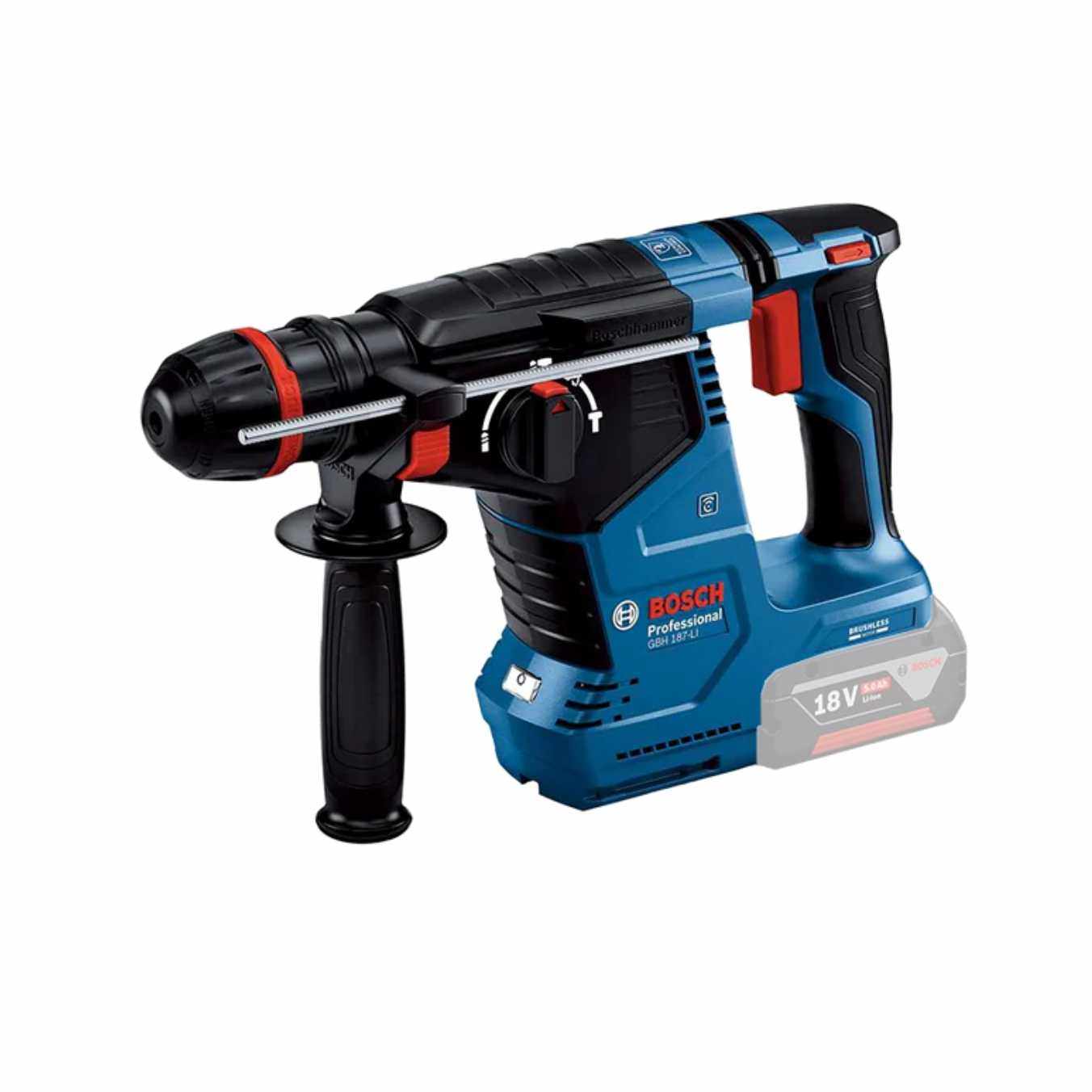
Tools with adjustable or auxiliary handles can provide greater flexibility for different applications and working angles.
Cordless Design
Cordless tools can improve mobility by eliminating cables that may restrict movement or create trip hazards. However, battery weight and runtime should also be considered.
How to Choose the Right Ergonomic Power Tool
Start by identifying the task. A tool designed for occasional DIY work may have different ergonomic requirements from equipment used by a professional technician every day.
Next, consider:
How frequently will the tool be used?
How long will each session last?
Will it be used overhead or in confined spaces?
How much vibration does the application generate?
Can the tool be comfortably controlled with one or both hands?
Are replacement batteries, accessories, and spare parts available?
Visiting a reliable hardware store can also allow you to compare different tool designs and physically assess their weight, grip, and balance before purchasing.
Ergonomics and Safety Go Hand in Hand
Ergonomic design is only one part of safe power-tool operation. Users should always follow the manufacturer's instructions and wear appropriate PPE for the application.
Depending on the task, this may include safety glasses, hearing protection, gloves, protective footwear, respiratory protection, or other suitable equipment.
It is also important to maintain tools properly. Damaged handles, worn accessories, faulty switches, and poorly maintained equipment can increase operational risks regardless of how ergonomic the original design is.
Why UAE Professionals Should Consider Ergonomics
The UAE's construction, maintenance, fabrication, logistics, and industrial sectors rely heavily on power tools. In demanding working conditions, choosing tools based solely on maximum power may not provide the best overall solution.
Professionals should consider a combination of performance, durability, ergonomics, safety, and application suitability. A tool that delivers sufficient power while remaining comfortable to operate can offer better practical value than a more powerful model that causes excessive fatigue.
Conclusion
Choosing the right power tool involves more than comparing motor power, speed, and price. Ergonomics matters because comfort, balance, vibration control, and handling can directly influence productivity, precision, and user fatigue.
Whether you are a professional contractor, maintenance technician, workshop operator, or DIY enthusiast, take time to evaluate how a tool feels and performs in your intended application. For quality tools and hardware solutions in the UAE, Al Rahat Trading LLC can be a reliable option for finding equipment suited to different professional and practical requirements.
Choose your next power tool based not only on what it can do but also on how comfortably and safely you can use it.
Frequently Asked Questions
1. Why is ergonomics important when choosing power tools?
Ergonomics helps improve comfort, control, and ease of operation. An ergonomic tool can reduce unnecessary strain and fatigue, particularly when the equipment is used repeatedly or for extended periods.
2. What ergonomic features should I look for in power tools?
Important features include balanced weight, comfortable handles, vibration reduction, accessible controls, adjustable auxiliary handles, and designs that allow users to maintain a natural working position.
3. Where can I buy power tools in Dubai?
You can compare different options through a reputable hardware store that supplies professional and DIY equipment. When choosing power tools, Dubai buyers should consider product quality, application requirements, availability of accessories, and after-sales support.
4. Are lightweight power tools always better?
Not necessarily. Lightweight tools can reduce fatigue, but overall balance and power-to-weight ratio are equally important. A slightly heavier tool may be more comfortable if its weight is properly distributed and it provides better control.

Write a comment ...